 EN
EN
When designing packaging for a bakery product, different considerations come into play. You want the box to look aesthetically pleasing. You want to showcase your brand through the use of desired colors, finishes, and even unique textures. However, there are many practical elements that will need to be integrated into the packaging design, such as barcodes, pricing stickers, product info, and so on. These are not design options and can be required for retail and inventory purposes, or for legal reasons.
How packaging designers and product developers approach creating an aesthetically pleasing design can differ. The goal would be to keep a design as clean as possible while still leaving enough room for practical elements to be functional. Well placed stickers and barcodes can actually add to the design of the product packaging. With the right kind of printed food packaging, you can add a barcode or a label to your design without compromising the entire bakery box packaging.
Start with designing your box
By designing your box with labels in mind, you can eliminate certain design mistakes. While designing your box, think about where labels will be placed and leave that area open. It could be on the bottom, back, or one of the corners. Having a label placed in a designated area is less intrusive.
If your box supplier is able to do custom printing, you could include a barcode in the design. Some brands have their barcodes included during production. This ends up making the sticker unnecessary. The barcode will be in your brand colors, making it less of an eyesore than the standard black and white barcodes.
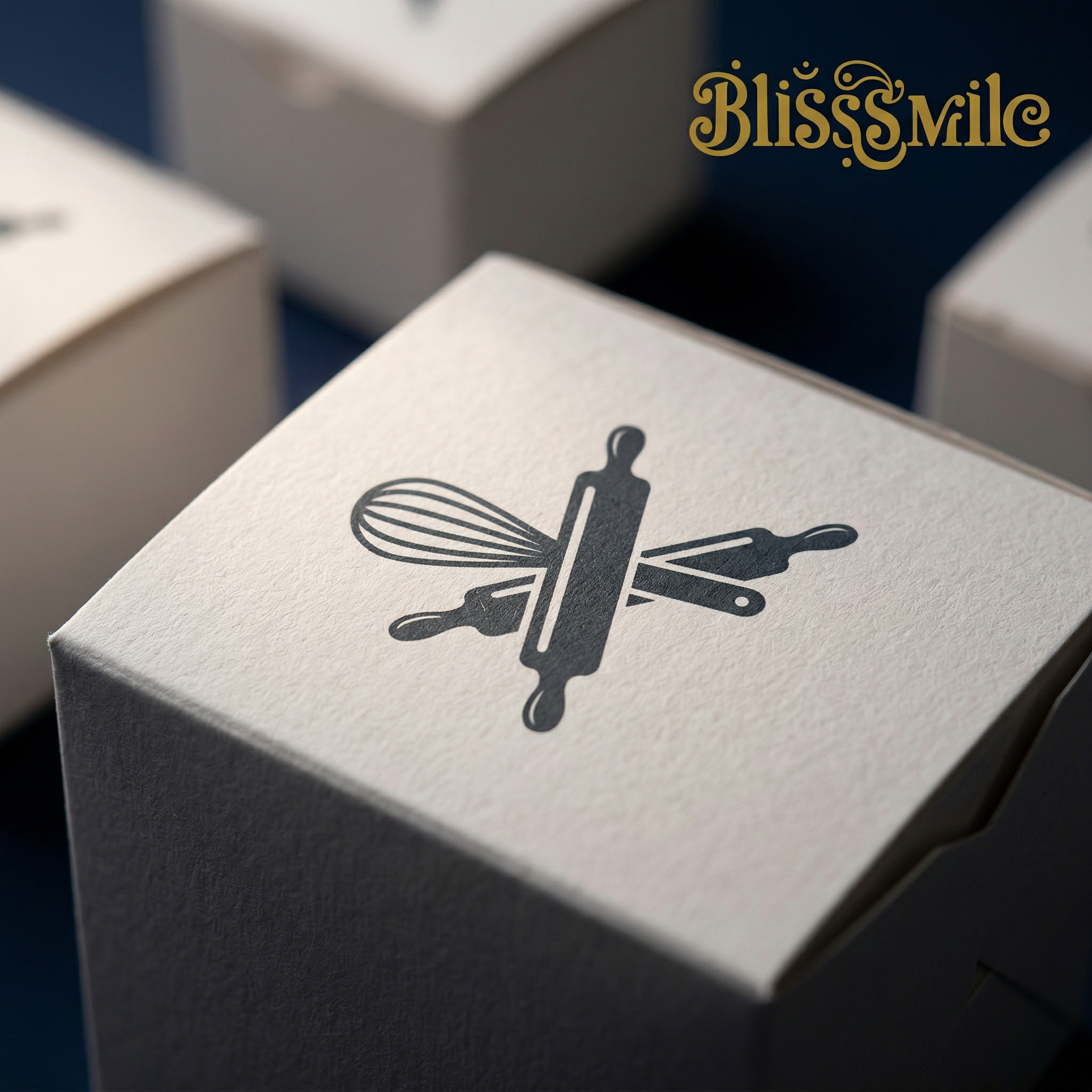
This works well with custom bakery boxes with logos designed because it leaves the front panel clean. The logo can be the main focus and the functional elements can be placed where they belong.
Choose appropriate materials for labeling
Stickers and labels on packaging materials should be done with care. For example, a little glossy sticker on a packaging with a matte finish looks unattentive. Not putting thought into materials and finishes may create an impression of lack of care. This can be avoided.
A commonly used labeling option is the clear label. These labels allow the design of the box to show through, whilst remaining capable of displaying the required barcode and price. A clear label is almost imperceptible provided enough care goes into its application, and so is the visual disruption.
Paper labels can also be used. When using these, care should be taken to ensure that the color of the label matches that of the box. If the box is kraft and the label is also a kraft color, then the box design is carried through to the label. If, however, the box is white, a white label with a slight sheen may look more deliberate and intentional, rather than accidental.
For boxes that are high end and have foil or embossing added, you may want to think about custom labels that have the same finish. A foil label on a foil box looks cohesive. Rather than detracting from the premium impression, it adds to it.
Adjust the color
Appropriately adjusting the color of the label can reduce its intrusiveness. A barcode is given an unappealing black and white color scheme simply because it is intended purely for functionality. However, this does not mean that they have no options for aesthetics.
A range of color options are available for printing labels. For barcode printing, rather than using black, you could choose a dark color like navy, burgundy, or grey that suits your brand. The color of the label itself can also be changed. Instead of using a bright white background for the label, you can choose a more neutral cream or off white color that matches your packaging.
You should aim to make labels look more integrated with your packaging. Labels will disappear as an afterthought when they are designed to be more integrated.
Consider size and positioning
A big label in the center of the box will be extremely obvious. In contrast, a more subtle design is possible with a smaller label. Think about the order in which your customers will be looking at the box. For bakery boxes, there is usually a logo that goes on the top or the front. That space should be left empty. It is better to place labels on the side, bottom, or at the back.
When making several products that have different labels, using the same type of label for all of them would help with consistency. Customers will recognize and know exactly where to find important information. It will be a part of the experience for them, rather than a distraction.
Think about the need for barcodes on boxes sold in retail. Depending on the situation, putting a barcode on the bottom may be best. This way, the cashier can flip the box to scan the barcode, and the customer will not see the barcode during the purchase. This keeps the box looking nice from the shelf all the way to the customer.
Communicate with your suppliers in advance
The earlier you can communicate with your packaging suppliers, the better. The best suppliers can guide you in label placement, material choices, and direct printing options. They know what will work best.
The website states they can do structural engineering, dieline creation, and print regulation, which is what you need to seamlessly incorporate function without sacrificing form. When you have a supplier who balances form and function, many potential problems can be avoided.
When ordering custom printed bakery boxes for a retail line, it is important to mention barcode placement during the design stage. It is much easier to leave a blank spot for a label than it is to try to alter a design after the boxes are printed.
Consider the unboxing experience
While labels are meant to be scanned, they also contain valuable information about the product. Storage instructions, ingredient lists, and descriptions are all important to the consumer. When presented well, they complement the product instead of taking away from it.
Think about how you can make the label more than just a label. A small, printed label with your brand’s story or a personal note can be a nice touch. It makes it seem like you really thought about the details.
For example, you may choose to keep the box looking more premium by removing a sticker and using a card insert to communicate the relevant information. This helps maintain a clean box surface and adds to the experience because it elevates the unboxing experience to a more premium overall sensation.
Maintain uniformity across products
While offering multiple products, identical product labeling improves recognition. It helps to reinforce brand identity. Customers identify identical labeling materials, colors, and most importantly, placement. Seasonal bakeries may alter their product boxes for specific holidays, but placement of the labels can be constant. Customers will always know exactly where to look to identify the ingredients and prices of the product, making the overall look of the box and products consistent.
Final thoughts
Creativity does not need to be sacrificed when barcodes and functional labels are added to product packaging. With the right balance, you can have a box that meets all functional requirements and also looks nice. Your unique design and box color can create this balance. Box design, label materials that work, control of colors, and measured placement can create the best balance with your supplier.
Achieving a perfect fit with your packaging makes the working components of the box undetectable. Customers will only see an attractive box with your brand messaging. The barcode is placed to not interfere with the narrative of the packaging. For any bakery, branded bakery boxes exemplify the balance between functionality and aesthetics.