 EN
EN

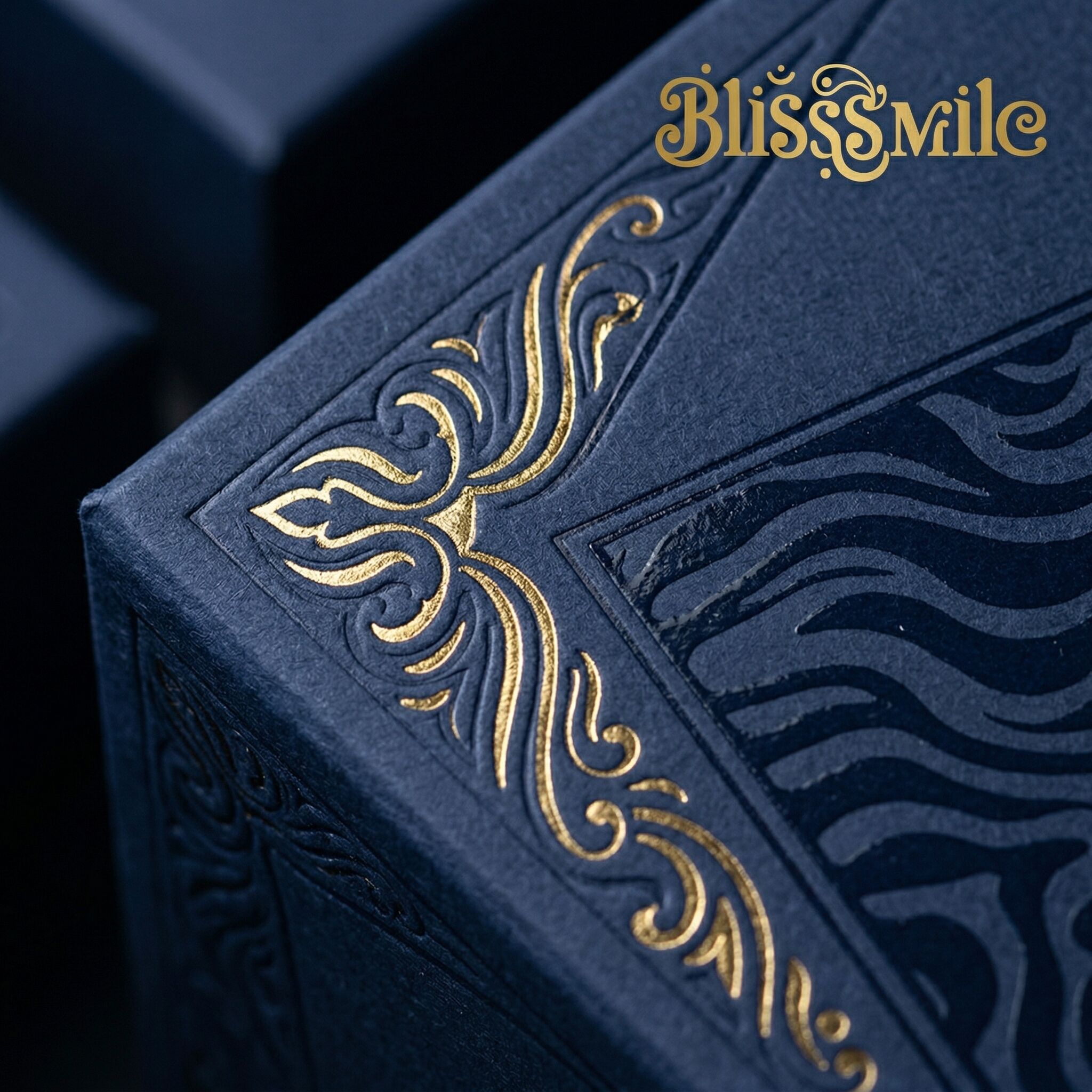
Foil stamping is an excellent technique that can elevate an ordinary cardboard box to something classy and premium. When executed correctly, the foil catches the light, the edges form a crisp, clean, nice looking package. If something goes awry, the results are the complete opposite. Sloppy foil that is off registration, fold lines that create an impression, and inconsistency in coverage can turn an expensive box into an expensive mistake.
If you are purchasing custom printed cake boxes with a foil finish, you have to understand the risk factors and how to manage them to stay within budget. Adding foil does not mean just using another color in the design. It takes a considerable amount of design effort, the right materials, and detailed inspections during each stage of production. If you understand the potential problems, you can avoid spending unnecessary time and money.
The benefits and risks
It is easy to understand why the most popular method to enhance premium packaging is using metallic foils. They provide a polished, shiny appearance that attracts attention. Depending on the finish selected, it may be a subtle glow with matte foil or an attention grabbing gloss. Foils look good on logos, borders, and small detailing. When done correctly, it conveys an impression of quality even before the packaging is opened.
However, foil stamping also adds challenges to the production of a box. Applying the foil requires careful and precise control of heat and pressure. If the temperature is too high or too low, the foil may not adhere properly. Uneven coverage may occur if the pressure is not uniform. Lastly, if the design of the box contains fold lines that intersect with the foiling, cracking may occur. These are challenges that can be avoided with sample runs before full production.
Precision is the name of the game
One of the most noticeable challenges with foil stamping is misalignment, which puts the foil in the wrong location. Shifts as small as half a millimeter can cause a logo to appear off center or a border to look uneven. Misalignment is especially concerning on custom printed cake boxes, where branding is the main focus.
An accurate dieline is the first step in avoiding alignment issues. A dieline shows where a box is cut, folded, and shows where the foil is placed. If a dieline is not accurate, the foil alignment is going to be incorrect. Good suppliers will check a dieline before going to production.
Also, poor registration between printing and foil stamping can be a problem. If the box has printing and foil, the two need to align perfectly, and this requires meticulous work during setup and the production run. Suppliers who use version control, like the V1, V2, V3 method mentioned on the website, catch alignment issues early. Each version is evaluated before moving on, so issues are typically corrected when they are easier to fix.
Cracking is a hidden problem
Cracking is a problem that will often not be visible until the box is assembled, which is very problematic. The box might look good while it is flat, but once folded, the box can crack in the crease lines, and this happens a lot when foil also covers the crease line.
There are several factors that contribute to the risk of cracking. The board material and construction influence the cracking risk. The greater the flexibility, the reduced risk of cracking. The type of foil also contributes to this; some foils are more prone to brittleness than others. Finally, the direction of the folds plays a role. Foil that is applied parallel to the folds tends to crack less than foil applied perpendicular to the folds.
Design is where the preventative measures begin. Whenever possible, try to avoid placing foil in line with folds. Where this is unavoidable, discuss the options with your supplier to use a more flexible foil or a paperboard that folds better. The better suppliers identify these particulars during sampling. They fold the board, look for cracks, and make the necessary changes before going into the main production. The site mentions sampling phases V1, V2, and V3, which is a good approach to confirm structural performance prior to the final run.
Material selection matters
Not every paperboard type is suitable for foil stamping. Some paperboards have surfaces that do not accept foil well. Some are too rough or too smooth. The type of coating on the board impacts the adhesion of foil. Selecting a substrate for custom printed cake boxes is as important as selecting the foil.
Food grade paperboard is the requirement for bakery packaging. However, this type of board comes with various finishes and coatings. For instance, a board with soft touch coating is more difficult for foil adhesion, yet it feels luxurious. On the other hand, a board that is smooth and uncoated may accept foil more easily, yet lacks a premium feel. It is best to discuss your goals with your supplier so they can recommend the right materials that strike a balance between aesthetics and performance.
Materials sourcing using food grade paperboard and FSC certification is highlighted on the site. It also states the possibility of obtaining finishes such as foil and emboss. A supplier who is knowledgeable in these areas is able to outline the reliable outcomes and risky outcomes of the different combinations.
The role of sampling and validation
Taking the time to participate in a proper sampling process serves to avoid a majority of foil stamping issues. Sampling is not merely looking at the finished product; rather, it involves assessing the functionality of the box.
A proper sampling process is multistaged. The first sample, commonly referred to as V1, is structural. Does the box fold correctly? Are the dielines accurate? In the second sample, V2, we add finishes such as foil and embossing. This is the stage where we examine alignment and adhesion. V3 is the sample where we give final approval before going to production.
Each of these sampling stages serves as a gate. The earlier we catch a problem, the less it will cost to fix. The later the problem is found in production, the more it will cost to fix. The website states that the sampling timeline is anywhere between 3 to 15 days, including version control gates. This is a structured process to give you the assurance that the finished goods will meet your expectations.
Working with a supplier who controls for risk
There is little uniformity in how suppliers manage and execute the process of foil stamping. Some suppliers take on a run and gun mentality, while others take a more thoughtful approach and manage quality across the process. For the job of custom printing cake boxes with foil stamping, working with the latter is strongly recommended.
Look for suppliers who have clear processes for die cutting, printing, and finishing. The website references five quality control points covering material, die cut, print, assembly, and packing. This kind of layered inspection catches problems before they become customer issues.
Also look for suppliers who lock specifications for repeat orders. Foil stamping is sensitive to small changes in materials or processes. If the specs are locked, you know that your reorder will look exactly like your first order. The website mentions locked specs for reorders and a 5 to 10 day reorder turnaround, which shows they have consistency built into their system.
Even with the most thorough planning, things can go wrong. What matters most is how the problem is handled. A good supplier will have a change control mechanism in place. That means if an issue comes up during production, there is a clear process for addressing it without causing major delays.
The website mentions a change control mechanism as part of their commitments. That is a sign that they are prepared to manage challenges professionally rather than pushing flawed product out the door. If you are selecting a supplier for foil stamping, you want someone who will get it right.
Conclusion
Foil stamping adds real value to custom printed cake boxes. It also helps a brand stand out. But this value comes with challenges that need to be addressed. Alignment issues, cracking along fold lines, and material compatibility are all risks that require attention.
Success lies in partnering with a supplier who understands these risks and has the procedures to manage them. Accurate dielines, careful material selection, structured sampling, and layered quality control all make a difference. When these elements come together, foil stamping delivers the sophisticated appearance you want without the headaches of rework and waste.