 EN
EN

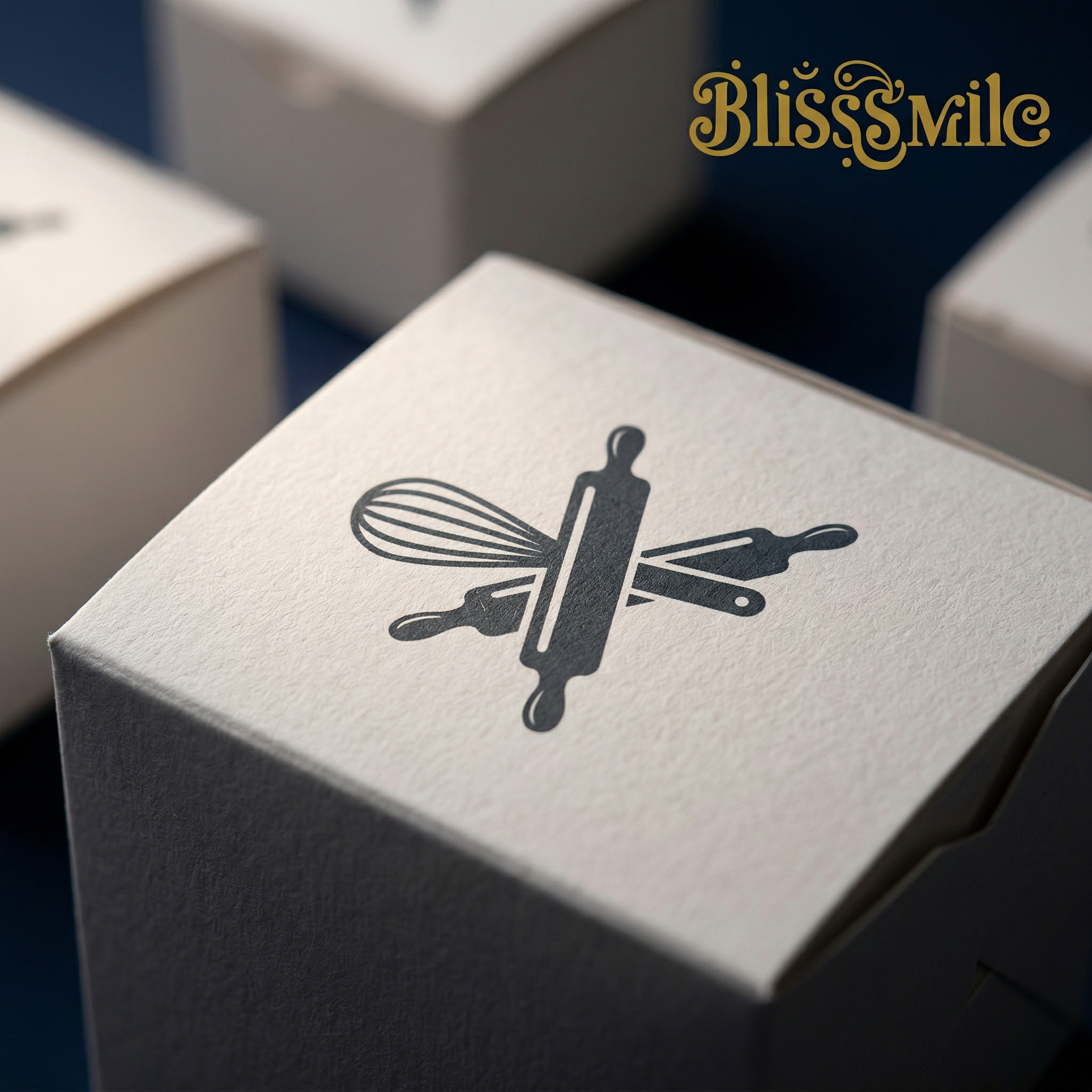
You put real effort into designing appealing printed cake boxes for your bakery. That packaging is the first thing people notice when they pick up a cake box. So when those printed boxes show up with black scuff marks or visible scratches, it ruins the whole first impression. Marks like that make your business look careless. The good news is, keeping scuff marks off cake boxes is not that hard. There are a few simple tricks you can learn to protect your printed cake boxes from scratches and scuffs throughout their entire life.
Choose the Right Surface Protection from the Start
Stopping scratches before they ever happen is the best method. One way to do that is by picking the right finish when you order custom printed cake boxes. Regular printing with no coating is extremely easy to scratch. The ink sits right on the paper, so anything rubbing against it can wipe the design off. That is where lamination comes in. Protective lamination places a clear film over the printed artwork. It basically adds a layer of armor to your custom printed cake boxes. Lamination comes in different looks too, like gloss and matte. A matte finish has a more subdued appearance and hides tiny scratches better than gloss. But a gloss finish can make your design colors pop more. Both options are way better than no protection at all. Some suppliers even offer an extra tough coating called UV coat, which hardens the cardboard surface and makes it really resistant to scratches. Spending a bit more upfront on protective lamination will save you a lot of headaches later on.
Be Gentle When Packaging Your Boxes
Believe it or not, most scratches happen while people are putting cakes into the boxes. For example, sliding a cake board into the box can leave marks because of the rough edge. You need to train your staff to handle boxes with a steadier approach. Lift the cake and lower it straight down instead of dragging it across the bottom. Put cupcake inserts or cake pads inside the box to create a soft cushion between the cake and the box surface. Also, tell your employees to keep their fingernails trimmed or wear gloves when handling custom printed cake boxes. Long nails can dig into the paper and leave thin scratch lines. And avoid setting boxes on rough surfaces like concrete floors or gravel. Those surfaces will tear up the bottom of the box. Stick to a clean, smooth table or countertop instead.
Stack Smart to Avoid Pressure Marks
Stacking boxes is a common practice in bakeries, but doing it the wrong way can cause a lot of damage. When you stack too many custom printed cake boxes on top of each other, the upper boxes press down on the lower ones, and the boxes start rubbing together. That friction creates those annoying scuff marks. The solution is to be more careful when stacking. A good rule is to never stack more than three or four boxes at a time. To make things even better, put a piece of cardboard or a thin foam layer between each level. This stops the boxes from touching each other directly. Also think about the sizes of the boxes in your stack. A heavy, large box can damage a smaller, lighter box underneath it. You can also use protective foam corner pieces or plastic sheets that absorb the force of contact. Slip these onto the corners of your custom printed cake boxes to prevent scuffing.
Wrap and Cushion for Transport and Delivery
Sadly, most packaging failures come from poor handling during transport. The trunk of a delivery van often has barely any space, so boxes slide around and rub against each other. By the time the order reaches the customer, those custom printed cake boxes can look like they have been through a lot. One way to solve this problem is to take an extra step and wrap each box in bubble wrap or soft packing paper before putting them into a larger shipping box. The bubble wrap absorbs the shocks and keeps the boxes from rubbing against others. You should also fill the outer shipping box with foam peanuts so the inner box has no room to shake around. If the package can move, scuffing will happen. Everything needs to be packed as tightly as possible, with zero room for movement. For local deliveries where you do not need a second outer box, a large plastic bag over each custom printed cake box works just fine. The plastic is slippery, so boxes can slide past each other without leaving marks. And make sure your delivery drivers know these are fragile items. Ask them to put the packages on the front seat, away from heavy bags of flour or sugar.
Store Unused Boxes in a Clean Dry Space
Printed packaging can get ruined even while it is just sitting in storage. A dusty or dirty storage room is terrible for custom printed cake boxes. Dust particles settle on the surface, and then when you pick up a box, your hand drags that dust across the design and scratches it. Keep your unused boxes inside big plastic bins or sealed cardboard cartons. Also keep your storage area clean and dry. Moisture is another enemy. Damp air can soften the cardboard, making it easier to scuff the printed surface. If you live in a humid area, using a dehumidifier can really help. Do not put your boxes directly on the storage floor. Keep them on shelves or pallets, away from dirt and moisture. And do not store heavy things on top of your boxes. That constant pressure can crack the printed layer along the fold lines.
Conduct Regular Quality Checks and Rotate Your Inventory
A box might have been sitting in storage for many months without you thinking about it. But those forgotten boxes could be hiding damage that only shows up when you try to use them. That is why you should set up monthly inspections to check for scuffs, scratches, and warping. When you find damage, figure out what caused it so you can fix the problem. Rotate your inventory so older boxes get used first. This prevents boxes from collecting dust or moisture damage over a long period. Also, when you receive a new shipment of custom printed cake boxes from your supplier, inspect every single box before putting them into storage. Reject any that already have scuffs or scratches. Catching problems early is much easier than explaining to a customer why their cake box looks beat up. Good quality checks and inventory rotation are simple habits that keep your packaging looking professional and fresh.