 EN
EN

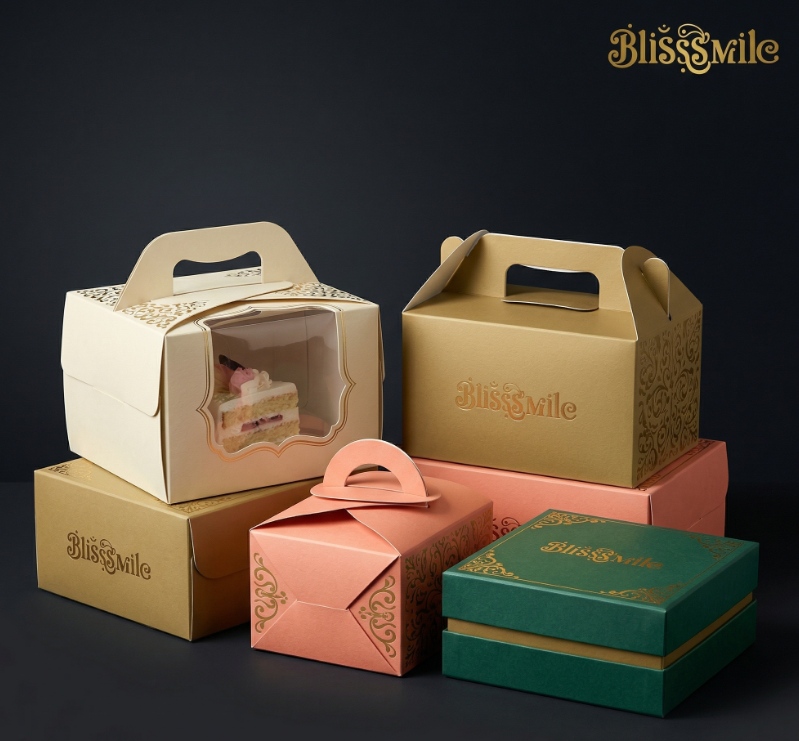
When you are ordering custom printed cake boxes for your bakery, one of the biggest decisions you will face is choosing the right printing method. Walk into any packaging shop and you will hear two names come up again and again: digital printing and offset printing. Both can give you great looking boxes, but they work very differently under the hood. The choice you make will affect your budget, your timeline, and how your final boxes actually look. So which one should you pick for your custom printed cake boxes? Let us walk through the real differences so you can decide with confidence.
How the Two Methods Actually Work
Let me start with a simple breakdown of what each process does. Offset printing is an older method that uses metal plates. The design gets burned onto these plates, then the plate rolls ink onto a rubber blanket, and that blanket presses the image onto the paperboard. It sounds a bit roundabout, but this indirect transfer gives really smooth, even coverage across large areas. Digital printing is much more straightforward. The design goes straight from a computer file to the printer, using either inkjet or toner technology. No plates needed, no rubber blankets, just direct application onto the material. This fundamental difference shapes everything else, from cost to turnaround time to color accuracy.
Cost and Quantity: Where the Math Makes Sense
Money talks, and for small bakeries just starting out, the upfront cost matters a lot. Digital printing has almost zero setup cost. You send the file, the machine warms up, and it starts printing. That makes digital printing perfect for smaller runs of custom printed cake boxes. Many suppliers can print as few as 50 or 100 boxes without charging you extra fees. On the flip side, offset printing requires making plates before any printing happens. Those plates cost money and take time to produce. That initial expense gets spread across every box you print, so offset becomes cheaper per box only when you print a large quantity. Most experts put the break even point somewhere between 500 and 2000 units. Below that, digital printing usually wins on price. Above that, offset starts to pull ahead. If you need 5000 or 10000 custom printed cake boxes, offset will almost certainly give you a lower unit cost.
Color Quality and Consistency
Here is where things get interesting. Offset printing is famous for delivering super accurate color reproduction. If your brand uses a specific Pantone color for your logo, offset can match that color exactly because the ink gets mixed custom for your job. The consistency across thousands of boxes is also excellent. Once the press is dialed in, every box looks the same. Digital printing has come a long way in recent years. Modern digital presses produce very good color, and for most bakery packaging needs, the quality is more than acceptable. But digital presses typically use CMYK inks, which blend cyan, magenta, yellow, and black to simulate other colors. That simulation can fall a little short when you need a very specific brand color. Also, color can drift slightly from one print run to another. For seasonal custom printed cake boxes where exact color matching is not critical, digital is great. For long term brand consistency across thousands of units, offset is hard to beat.
Turnaround Time and Design Changes
Speed matters when you have a holiday promotion coming up or you just realized your design needs a tweak. Digital printing shines here. Since there are no plates to make, a digital press can be printing your custom printed cake boxes within minutes of you hitting send on your file. Want to change the font size or swap out a graphic? No problem. Just update the file and print. Offset printing takes longer to get started. Plate making and press setup can take several hours or even a full day. Once those plates are made, changing a design means making new plates, which adds time and cost. That means offset works best when your design is locked in and you do not expect any last minute changes. If you are someone who likes to test different designs or run small seasonal batches, digital printing gives you way more flexibility.
Plate Costs and SKU Management
Think about how many different box designs you need. Maybe you sell cupcakes in four different flavors, each with its own unique box. Or you run a monthly subscription box with changing seasonal artwork. Digital printing has no plates, so you can print ten different designs in one run without paying extra setup fees for each one. That is a huge advantage for bakeries with lots of product variations. Offset printing requires a separate set of plates for each design. If you need three different custom printed cake boxes, you pay for three sets of plates. That adds up fast. For businesses with a simple product line and high volume, offset still makes sense. But for anyone juggling multiple SKUs or frequently refreshing their packaging, digital printing is much more practical.
Paper and Finishing Options
The material you want to print on also plays a role. Offset printing handles a wide range of paperboards, including textured and uncoated surfaces. The ink sits nicely on the material and you get good coverage even on rougher stocks. Digital printing works best on smoother, coated surfaces. Some digital presses have limitations with very thick or very textured boards. For custom printed cake boxes made from standard food grade paperboard, both methods work fine. But if you want something unusual, like a kraft box with a natural finish, offset might give you better results. Finishing options like foil stamping, embossing, or soft touch coating are generally easier to add after offset printing, though digital workflows are catching up.
Waste and Environmental Impact
Nobody likes throwing away boxes. Digital printing produces very little waste because there is no setup run. You can print exactly the quantity you need, no more, no less. Offset printing typically requires a waste run at the beginning to get the colors and registration correct. That can mean hundreds of sheets getting tossed before the good boxes start coming off the press. For short runs of custom printed cake boxes, that waste represents a significant percentage of your order. Digital also eliminates the need for storing and disposing of used printing plates, which is a nice bonus from an environmental standpoint.
Which One Is Right for You?
Let me make this simple. Choose digital printing for your custom printed cake boxes if you need less than about 1000 boxes, if you have multiple designs or frequent artwork changes, if you need your boxes fast, or if you are testing a new product and do not want to commit to a huge order. Digital gives you flexibility, speed, and low upfront costs. Choose offset printing if you need more than 2000 boxes, if your design is finalized and will not change, if exact brand color matching is critical, or if you want the lowest possible per box cost for a large run. Offset gives you consistency, premium quality, and better economics at scale.
The good news is that many packaging suppliers now offer both options. You can start with digital for small test runs, then switch to offset once your volume grows and your design stabilizes. That hybrid approach gives you the best of both worlds. Whatever you choose, just make sure you understand the trade offs before you place that order. Your custom printed cake boxes are the face of your bakery, so it is worth getting the printing method right from the start.