 EN

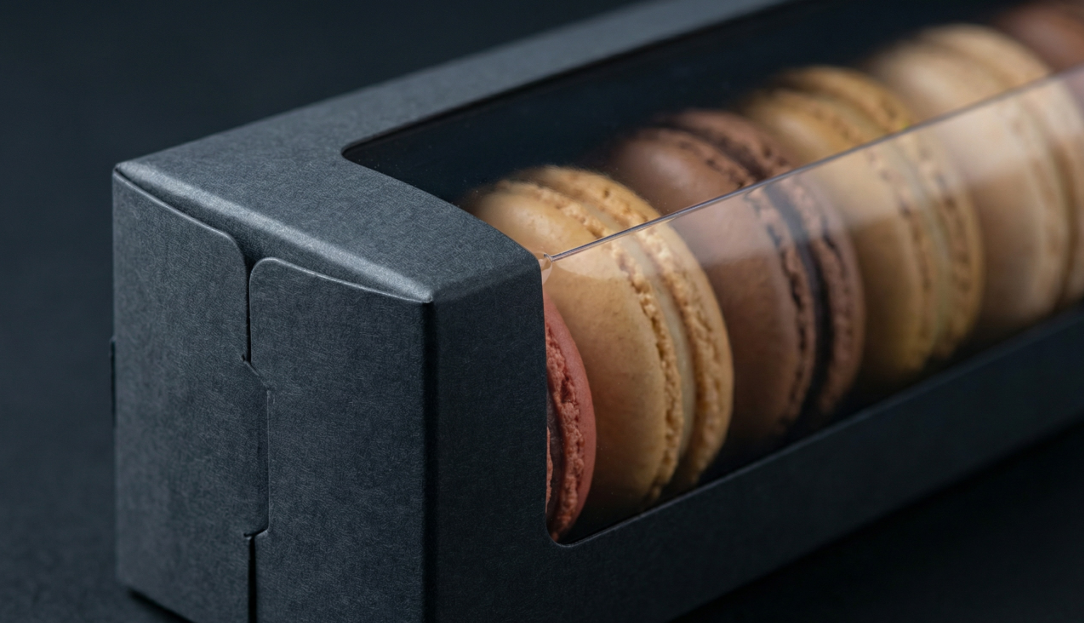
The Channel Defines the Packaging, Not the Other Way Around
A pastry box that shines on a bakery shelf can fail miserably in a parcel network. That simple truth is why bakery packaging solutions cannot be treated as a single catalog line. In-store retail and e-commerce expose the same product to different physical forces, different dwell times, and different buying moments. The package has to solve for the channel first, then for the brand.
Store shelves reward visibility. Shoppers decide in seconds, often while standing three to six feet away. Windows, matte or gloss finishes, and clean typography do the selling. Parcel shipping rewards survival. A box may ride a conveyor, sit in a delivery van, get stacked under heavier freight, and land on a porch in the rain. Those two jobs pull packaging design in opposite directions.
Where Bakery Packaging Fails First in E-commerce
Damage usually starts at the corners. A standard tuck-top pastry carton with a large window looks premium in a display case, but the window creates a weak point. During a 2023 retrofit at a mid-size bakery in the southeastern United States, the team found that a windowed pastry carton that looked excellent on shelf crushed at roughly 6 percent during parcel shipping. Switching to a reverse-tuck carton with a corrugated liner and a tighter inner fit reduced observed damage to under 1.5 percent over the next quarter. The shelf appeal stayed, but the structure changed.
Parcel networks are not gentle. ISTA 3A and ISTA 6-Amazon.com test protocols simulate drops, vibration, and compression that happen in small parcel delivery. A bakery item also faces moisture migration, grease bleed, and temperature swings. A corrugated outer shipper with a food-grade inner carton often makes more sense than one heavy retail box trying to do both jobs.
In-store Packaging Has a Different Job
Walk into a busy bakery and the packaging has to work fast. It must stack without sliding, resist grease from pastries, and let customers see the product without touching it. Food-grade paperboard in the 250 to 400 GSM range is common for direct-contact cartons. Kraft and greyboard offer different stiffness and print surfaces. FSC or PEFC certified stock can support sustainability claims without changing the structural plan.
In-store systems also live or die by reorder discipline. A chain with 40 stores may run the same six SKUs for months. Locked specifications, archived artwork, and stable material lots matter more than novelty. When a seasonal item arrives, the layout should flex without forcing a new dieline for every flavor.
The Middle Ground: Omnichannel Bakery Brands
Omnichannel is where most bakery brands get into trouble. The same brand may sell croissants in a cafe, ship cookie boxes online, and supply gift tins to corporate clients. One packaging family cannot be optimized for every channel, but it can share a visual system. A common grid, color palette, and logo placement across five to eight SKUs keeps recognition high while structural components change underneath.
A practical split looks like this:
-
Retail carton: window, grease-resistant coating, shelf-ready print.
-
E-commerce carton: reverse tuck or mailer, corrugated liner, tamper-evident seal.
-
Gift format: rigid box, insert, foil or emboss detail.
-
Outer shipper: corrugated, compression-rated, with clear handling marks.
The brand looks consistent. The engineering does not pretend one box fits all.
Materials, Compliance, and the Hidden Cost of Overpacking
Food contact rules are not optional. In the United States, FDA regulations under 21 CFR cover food-contact substances. In the European Union, Regulation 10/2011 sets plastic food-contact requirements, and paper and board have their own national and regional expectations. Certifications such as FSC and PEFC address fiber sourcing, not food safety, so both conversations need to happen.
Overpacking is the quiet budget killer. A double-wall shipper inside a rigid gift box inside a poly bag may survive anything, but it raises material cost, freight weight, and unboxing friction. The better question is where the risk actually sits. If 80 percent of orders travel within one region and arrive in two days, the packaging may need moisture control and corner protection more than extreme compression strength.
| Channel pressure | In-store reality | E-commerce reality | Packaging response |
|---|---|---|---|
| Drop exposure | Low, mostly hand stacking | High, repeated parcel drops | Reinforced corners, inner fit, corrugated liner |
| Display time | Minutes to seconds | Hours to days in transit | Scuff-resistant print, clear labeling |
| Grease and moisture | Direct contact common | Direct plus humidity swings | Food-grade barrier, moisture-resistant liner |
| Reorder pattern | Daily or weekly | Batch or seasonal | Locked specs, archived artwork |
| Unboxing role | Shelf appeal | Brand moment and damage control | Insert design, easy open, no loose fill |
A Practical Decision Framework
Start with the channel mix. If 90 percent of volume goes to retail shelves, put budget into print, window design, and stackability. If 90 percent ships parcel, put budget into structure, corner protection, and closure. For mixed channels, build a shared brand layer and separate structural layers.
Next, map the journey. Count how many times a box gets touched, stacked, or dropped. Check whether the product is fragile, greasy, frozen, or temperature-sensitive. Then match the material. A bakery packaging solution that ignores grease migration will fail even if the dieline is perfect.
Finally, test before locking specs. A sample that looks right on a table may not survive a parcel test. Simple checks include a drop test from 30 to 48 inches onto a hard floor, a 24-hour stack test, and a humidity chamber run for high-moisture products. These are not lab-only concerns. They are the difference between a seasonal launch that ships clean and one that generates refunds.
BlissSmile works as a B2B packaging system provider for wholesale, brand, and premium buyers. The company focuses on complete systems rather than loose SKUs, with locked specifications, reorder-ready documentation, and QC checkpoints from materials through final packing. For bakery teams comparing e-commerce and in-store channels, that kind of structure keeps the packaging decision grounded in the channel, not in guesswork.