 EN
EN

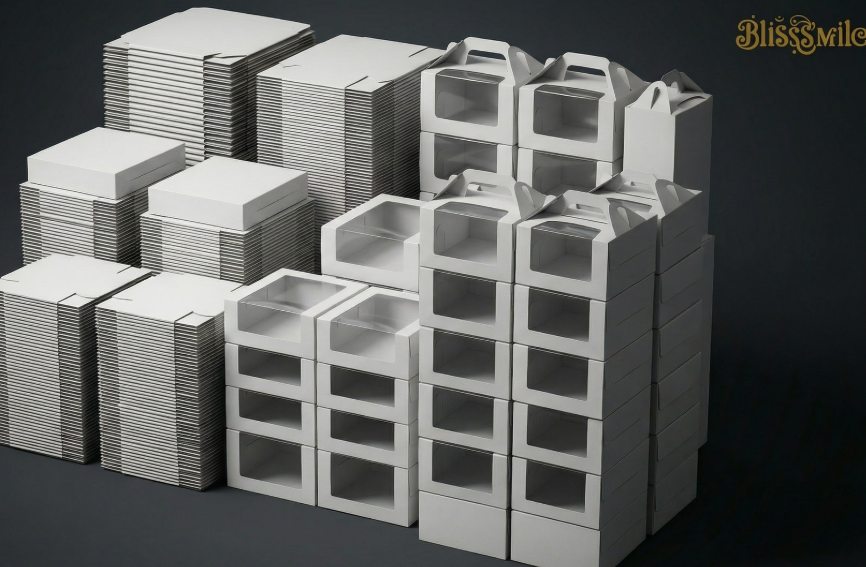
If you have ever ordered cake boxes wholesale, you know that not every single box will come out perfect. There is always a chance that a few boxes in your shipment might have a scratch, a smudge, or a slightly off fold. But how many bad boxes are too many? And how do you decide whether to accept a whole shipment or send it back? That is where AQL sampling comes into play. AQL stands for Acceptable Quality Limit. It is basically a smart way to check a small number of boxes from your order and use that information to decide if the whole batch meets your quality standards. Let me break down what you need to inspect on cake boxes wholesale and how to report your findings like a pro.
What Exactly Is AQL and Why Does It Matter for Cake Boxes
AQL is an international quality control method that helps buyers and sellers agree on what counts as acceptable quality. Instead of checking every single cake box in your order, which would take forever and cost a ton of money, you randomly pick a certain number of boxes to inspect. Based on how many defective ones you find in that sample, you can predict whether the rest of the order is good or bad. The standard most people use is called ISO 2859 1, or its US equivalent ANSI ASQ Z1.4. For consumer products like cake boxes wholesale, the common AQL levels are 2.5 for major defects and 4.0 for minor defects. That means you allow up to 2.5 percent of the boxes to have major issues and up to 4 percent to have minor ones. Any more than that, and the whole shipment gets rejected. This method saves time and money while still giving you confidence in your packaging quality.
What You Should Inspect on Cake Boxes Wholesale
When you are inspecting a shipment of cake boxes wholesale, you need to look at several different things. Let me walk you through the main areas. First is the material itself. The paperboard should feel sturdy and consistent throughout the batch. Check the thickness and make sure it matches what you ordered. Look for any signs of water damage, warping, or weak spots. Next is the print quality. The colors on your custom design should be vibrant and accurate. There should be no smudging, fading, or misalignment. If your boxes have a logo or text, make sure everything is crisp and readable. The third area is the die cut and folding. The box should fold along the crease lines cleanly without cracking. The tabs and locks should fit together properly. A box that does not close right is basically useless. Fourth, check the surface finish. If you ordered lamination or a special coating, make sure it is applied evenly. Look for bubbles, peeling, or rough patches. Finally, look at the assembly and packing. The boxes should be stacked neatly in the shipping cartons without being crushed. The outer carton should have correct labels and markings.
Understanding Defect Levels and How to Classify Them
Not all problems are created equal. When you inspect cake boxes wholesale, you need to sort the defects you find into three categories. Critical defects are the worst kind. These are issues that could make the box unsafe for food contact. For example, if the ink has a strange smell or if the glue is toxic, that is a critical defect. The AQL for critical defects is always zero. You cannot accept any boxes with critical problems. Major defects are serious issues that affect how the box works or looks from a normal viewing distance. A box that falls apart when you try to close it is a major defect. A large scratch right across your logo is also a major defect. The acceptable limit for major defects is usually AQL 2.5. Minor defects are small imperfections that do not really affect how the box works. A tiny smudge on the inside of the lid or a slight color variation that you have to look closely to see falls into this category. The limit for minor defects is typically AQL 4.0.
How to Pick Your Sample and Read the AQL Table
So how many boxes do you actually need to check? That depends on the total size of your order. There is a standard AQL table that tells you exactly what to do. Let me give you a real example. Suppose you ordered 2000 cake boxes wholesale. According to the AQL table, you would randomly select 50 boxes from the shipment to inspect. If you are using the standard AQL 2.5 for major defects and AQL 4.0 for minor defects, the table will tell you the maximum number of defective boxes you can find in that sample. For 50 samples and AQL 2.5, you are allowed up to 3 boxes with major defects. For AQL 4.0, you are allowed up to 5 boxes with minor defects. If you find 4 boxes with major defects, that shipment fails. If you find 6 boxes with minor defects, that also fails. But if you find 3 major and 4 minor, that shipment passes. The key is to pull your samples randomly from different cartons. Do not just grab the top box from one pile.
How to Record Your Findings and Write a Clear Report
After you finish your inspection, you need to write everything down in a clear report. This is important because it becomes the official record that both you and your supplier can refer to. Start with the basic information. Write down the order number, the date of inspection, and the total quantity of cake boxes wholesale in the shipment. Then list the sample size you used and the AQL limits you applied. Next, describe each defect you found. Be specific. Instead of just writing "bad printing", say something like "color misalignment on the front panel, shifted by 2 millimeters to the left". For each defect, classify it as critical, major, or minor. Count how many boxes have each type of defect. Then compare those numbers against the AQL limits. At the end of your report, state your final decision clearly. Write either "lot accepted" or "lot rejected". If you reject the lot, explain why and suggest what needs to be fixed. A good report protects you in case of disputes and helps your supplier understand exactly what went wrong.
A Few Extra Tips for First Timers
If you are new to inspecting cake boxes wholesale, here are some simple tips to make your life easier. Always inspect the boxes in good lighting. Natural daylight is best because it shows true colors and reveals scratches that artificial light might hide. Use a ruler to measure dimensions and a magnifying glass if you need to examine tiny details. Take photos of any defects you find. A picture is worth a thousand words when you are trying to explain a problem to a supplier. Keep your inspection area clean and dry. Dust on the table can get onto the boxes and make them look worse than they actually are. And do not rush. A thorough inspection takes time, but catching problems before you start using the boxes saves you from unhappy customers and wasted product.
Wrapping It Up
AQL sampling is not just some complicated technical process. It is a practical tool that helps you get what you pay for when you order cake boxes wholesale. By checking a small but representative sample, you can confidently decide whether to accept a shipment or ask for a replacement. The key is to know what to look for, how to classify defects, and how to document everything properly. Once you get the hang of it, you will wonder how you ever managed without it. Your packaging is the face of your bakery, so it is worth taking the time to make sure every single box that reaches your customers looks just the way you imagined.
Table of Contents
- What Exactly Is AQL and Why Does It Matter for Cake Boxes
- What You Should Inspect on Cake Boxes Wholesale
- Understanding Defect Levels and How to Classify Them
- How to Pick Your Sample and Read the AQL Table
- How to Record Your Findings and Write a Clear Report
- A Few Extra Tips for First Timers
- Wrapping It Up