 EN
EN

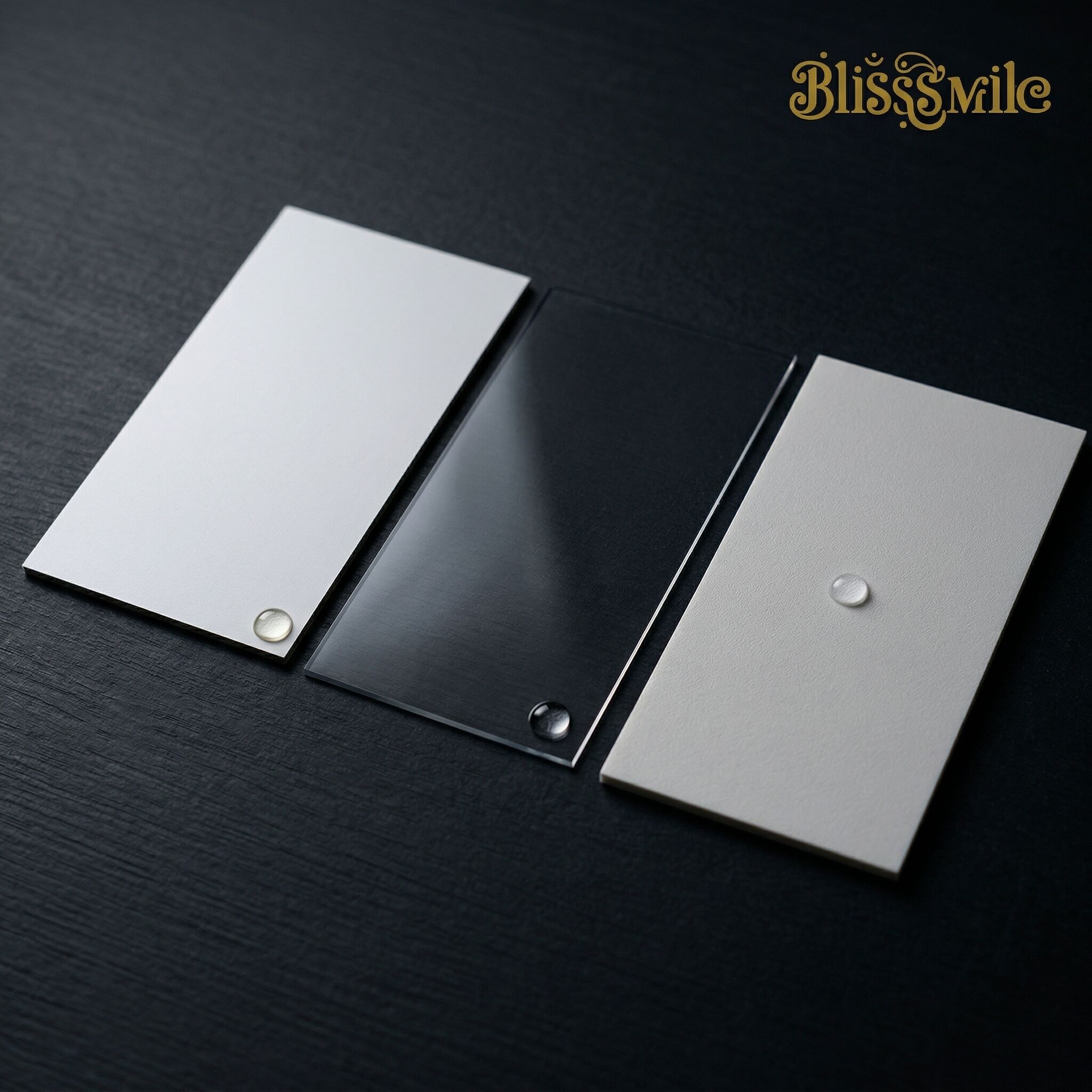
Packing a cake for delivery is no easy task. After putting in so much time and effort into a dessert, you want to be confident that its base will hold up. If the base absorbs grease or softens, a beautiful cake can quickly become a ruined dessert. That is why the right cake board can save the day.
An ideal cake board will be able to hold the weight of the cake, present itself nicely, and most importantly, the board must be able to resist grease that is likely to be present from the buttercream, chocolate, or any other wet filling. With the right materials and coatings for the cake boards, you can help ensure that you will be able to find a cake board that meets the needs you have while baking, whether at home or in a professionally run bakery.
Why grease resistance matters
Delicious baked goods definitely contain some moisture. However, that moisture can be really bad for a cardboard base. It can cause the base to weaken, warp, and stain. A base that has been weakened will also make the goods inside unstable which can lead to unsightly grease marks on the bottom of the box.
This is about more than aesthetics for bakeries. Customer complaints and returns can happen with greasy or soggy cake boards. It can also create negative perceptions about your business. When a consumer opens a box and sees a clean and sturdy cake board, they feel that the business cares about the details. For professionalism, grease resistance is necessary, not a luxury.
Choices in cake board materials
Cake boards are not produced the same way, and the base material can provide reliable moisture resistance and varying levels of weight support. Two of the commonly used base materials are paperboard and corrugated board.
Paperboard is the most commonly used material for single tier cake and pastry boards. It is available in a variety of thicknesses, and can be printed on very easily. When the cake board is lifted, a thicker paperboard can offer rigidity that prevents bending. For lighter items, a thinner board should be adequate.
The most expensive option is corrugated board. The fluted structure in the middle gives it resistance to bending. It is ideal for bigger cakes or desserts. The corrugated structure has the added benefit of insulation which is ideal for cakes that need to be kept cool while being transported.
There is also the added option of improving the grease resistance for corrugated and paperboard cake boards. The resistance is attributed to the coating or lamination used.
Coating options and their functions
A cake board without a grease resistant coating will absorb oil regardless of thickness. The coating will determine the effectiveness of the board in resisting grease.
One of the most common options is polyethylene coating, also referred to as PE coating. It creates a complete grease and moisture barrier at the top of the board. PE coated boards are ideal for cakes that have thick layers of buttercream and ganache as they are easy to clean and wipe. Coating can be applied on one side or both sides depending on the need.
Wax coating is an option based on tradition. It has good resistance to grease and offers a nice tactile experience. Wax coated boards are good for pastries that will be kept at ambient temperature. On the other hand, wax can soften with heat, so they are not the best for cakes that are kept in the fridge and pulled out to warm up.
Kraft paper with a natural finish has a more rustic look. Some producers surface treat the paper to give basic grease resistance while keeping a matte, uncoated appearance. This is common for artisan bakeries that want a more natural feel.
Laminated boards consist of a paperboard core with a thin film layer on top. This gives a smooth and glossy finish, with good resistance to grease and moisture. For this reason, laminated boards are often used for premium packaging.
Fitting the board to the cake
Not all cake boards serve the same purpose. A light sponge cake with a sprinkle of powdered sugar will not need the same level of protection as a rich chocolate cake with buttercream layers.
Moist and heavy cakes require thicker boards that have a full PE coating to get enough structural support to hold the weight and enough grease protection to keep the board clean. Thinner boards with a basic coating are great for lighter items like cookies and macarons.
Size also matters. A board that is slightly larger than the cake provides enough edge for you to hold the board without touching the cake, and helps protect the edges of the cake during transport. Many bakeries choose boards that match their box sizes for a coordinated look.
Food safety and compliance
The materials that come into contact with food are important. For cake boards to be food safe, the materials and coatings must not transfer any harmful substances to the cake. In the U.S., boards must meet FDA standards. In the EU, boards must meet specific requirements for food contact materials.
Packaging manufacturers for bakeries use food grade materials and coatings. They know the board sits underneath the cake and may touch edible surfaces. When purchasing cake boards, it is important to check whether the supplier meets these standards.
How coating affects design and printing
For bakeries, cake boards present another opportunity for branding. Many businesses print their logo, website, or decorative patterns on the boards. The coating type affects how well the printing holds up.
PE coated boards accept printing well and the ink stays on the surface. Laminated boards offer a smooth canvas for high quality printing. Wax coated boards can be more challenging to print on because the wax surface does not hold ink as easily. If branding is a priority, you should discuss printing options with your supplier.
Some bakeries prefer a more elegant look with plain silver or gold foil boards. These boards rely on the material itself to create a stunning impression. They offer a premium look for high end gifting.
Consistency matters for repeat orders
As a bakery owner, you know how essential consistent quality is. Your customers expect the same standards every time. This applies to your packaging as well. The cake boards you use should have the same thickness, same coating quality, and same size with every order.
Suppliers with locked specifications for repeat orders help ensure that consistency. They use the same raw materials, production steps, and quality control procedures for each batch. This means you do not have to worry about a shipment arriving with boards that feel different from what you ordered before.
Choosing the right board
Think about the cakes you plan to use the board with most often. Consider the weight, the moisture level, and whether the cake will be delivered. Make sure to select a board that is sturdy enough to handle movement without bending.
Choose the finish that suits your style. You can go with a modern, sleek look using laminated or PE coated boards in white or silver. If you prefer a more natural, rustic feel, opt for grease resistant kraft boards.
Ask about customization. Many suppliers offer custom sizes, shapes, and printing options. Round boards are standard for round cakes, but square, rectangular, and even specialty shapes are available.
Check lead times. If you need boards regularly, work with a supplier who can deliver within your timeline. Some manufacturers offer quick turnaround for reorders, helping you avoid running out of stock.
Conclusion
A good quality cake board is not just a piece of cardboard. It is an integral part of your work, serving to present your creation to your customers. Choosing the right materials and coating ensures that the board will resist grease, stay sturdy during transport, and look clean when the box is opened.
Whether you run a large scale operation or a home bakery, making the right choices helps your cakes arrive as they should. Understanding the options for cake boards helps you perfect your presentation, balancing grease resistance, strength, and food safety.